Tribal Pattern Artwork: Elevating Your Visual Projects with Authentic Design
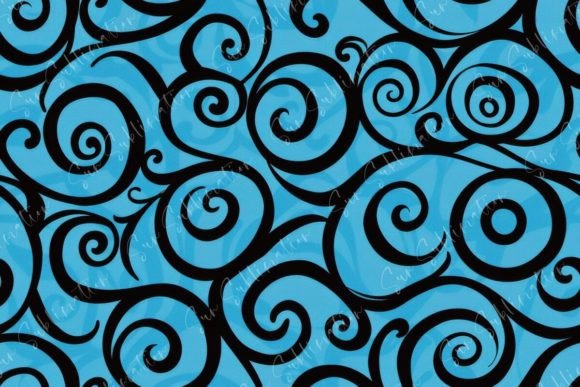
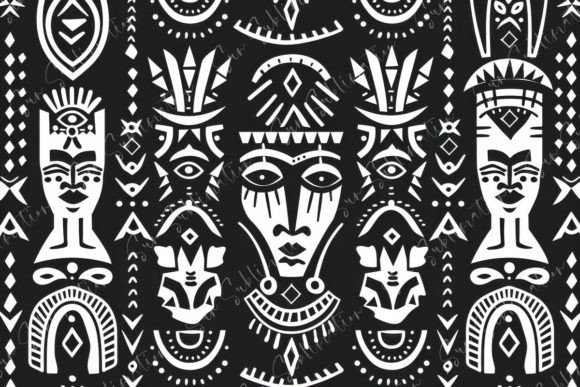
In a digital landscape saturated with generic stock imagery, Tribal Pattern Artwork offers a distinct alternative that commands attention and conveys depth. These designs are more than just decorative elements; they are visual narratives rooted in cultural heritage, characterized by intricate patterns and abstract faces set against a stark black background. Whether you are a graphic designer building a brand identity, a marketer crafting a campaign, or an educator preparing engaging materials, understanding the nuances of this art form is crucial for achieving professional results.
However, acquiring high-quality digital assets requires more than just clicking "buy." Many creators make the mistake of overlooking technical specifications or assuming that all digital downloads are created equal. This oversight can lead to pixelated prints, color discrepancies, and wasted budget. To help you navigate this process effectively, we need to look at what makes these specific monochromatic pieces valuable and how to ensure they integrate seamlessly into your workflow.
The Power of Monochrome and Intricate Detail
The specific aesthetic of tribal artwork featuring abstract faces on a black background provides a unique versatility that full-color illustrations often lack. The absence of color allows the viewer to focus entirely on the geometry, the flow of the lines, and the emotional weight of the abstract forms. This monochromatic approach ensures that the artwork remains sophisticated and does not clash with existing color palettes in your projects.
When you select a piece like the 4500 x 3000 pixel version available here, you are choosing a foundation for high-resolution output. The 300 dpi resolution is not merely a number; it is the standard required for crisp, professional printing. If you intend to use this Tribal Pattern Artwork for large-format displays, merchandise, or high-end brochures, this resolution guarantees that the intricate details of the pattern will remain sharp, even when scaled up significantly.
Pitfalls in Digital Asset Acquisition
One of the most common errors beginners and professionals alike make is failing to verify the file format and delivery method before purchasing. In the rush to find the perfect image, many users assume that a JPEG file might be sufficient without considering their future needs. While JPEGs are excellent for web use due to their smaller file sizes, they are lossy formats. If you require maximum flexibility for post-production editing or if you anticipate needing to extract specific elements from the design later, understanding the limitations of your download is vital.
Another significant misunderstanding involves the concept of "immediate download" versus physical shipping. There is no physical product involved in this transaction. Once the purchase is completed, the expectation should be a zipped file ready for immediate extraction. Confusion often arises when users wait for a tracking number or expect a physical package to arrive in the mail. This delay causes unnecessary frustration and disrupts project timelines. Always remember that this is a purely digital asset delivered instantly to your device.
The Color Reality Check
Perhaps the most critical aspect to consider before finalizing your purchase is the variance in color representation across different devices. You must take into consideration that the colors you view on your screen will vary from the actual colors on the printed product. This is a fundamental limitation of digital technology, not a defect in the artwork.
All gadget monitors display the same colors differently. A deep, rich black on a high-end OLED monitor may appear slightly grayish on a budget laptop screen or a mobile phone. Furthermore, the calibration of your monitor plays a massive role in how you perceive the contrast between the white patterns and the black background. If you plan to print this artwork, relying solely on your screen's appearance can lead to disappointment. The printed result may have a different tonal balance than what you saw during the browsing phase.
To avoid this common pitfall, always request or review sample prints if possible, or adjust your expectations regarding color fidelity. When using this Tribal Pattern Artwork for branding, test the grayscale conversion to ensure the contrast holds up without relying on specific RGB values. Understanding that your screen is an approximation helps you make better decisions about color correction and printing processes.
Maximizing Usability and Efficiency
Once you have secured your download, the real work begins in integration. Many users struggle with how to apply complex tribal patterns without overwhelming their design. The key lies in moderation and layering. Because the patterns are intricate and the faces are abstract, using them as a primary focal point works best. Overusing the texture can create visual noise that distracts from your core message.
Consider the context of your project. For a corporate presentation, a subtle application of the pattern as a watermark or a border can add sophistication without clutter. For a creative portfolio or an artistic blog post, the full image serves as a powerful statement piece. Entrepreneurs and freelancers often make the mistake of stretching images to fit awkward spaces, which ruins the aspect ratio and distorts the abstract faces. Always maintain the original dimensions or crop strategically to preserve the integrity of the design.
The provided file comes in a zipped format to ensure data integrity during transfer. It is essential to unzip this file immediately upon receipt to access the high-resolution JPEG. Keeping files compressed within a zip folder can sometimes cause issues with certain software applications that do not support direct reading of zipped images. Extracting the content ensures you have a standalone file ready for insertion into your design tools.
Evaluating Quality Before Use
Before integrating this asset into a commercial project, perform a quick quality check. Zoom in to 100% on your screen to inspect the edges of the patterns. At 300 dpi, the lines should be smooth and clean, without jagged pixels or compression artifacts. If the image looks blurry or blocky at this zoom level, it may indicate that the resolution was downsampled incorrectly, though this is rare with high-standard listings.
Additionally, verify the file size. A 4500 x 3000 pixel JPEG should be substantial in size. If the file seems unusually small, it may have been compressed too heavily, potentially sacrificing the fine details that make Tribal Pattern Artwork so appealing. Ensuring the file meets these technical criteria protects your reputation as a creator who delivers high-quality work.
By approaching the acquisition and usage of these digital assets with a clear understanding of their technical capabilities and limitations, you can avoid costly mistakes. Whether you are a hobbyist looking to enhance a personal project or a business owner seeking to elevate your brand's visual identity, paying attention to resolution, file format, and color expectations is the difference between a mediocre result and a standout success. Thank you for visiting my store, and may your creative endeavors be enriched by these timeless designs.