Unlocking the Versatility of Abstract Line Art Seamless Pattern in Modern Design
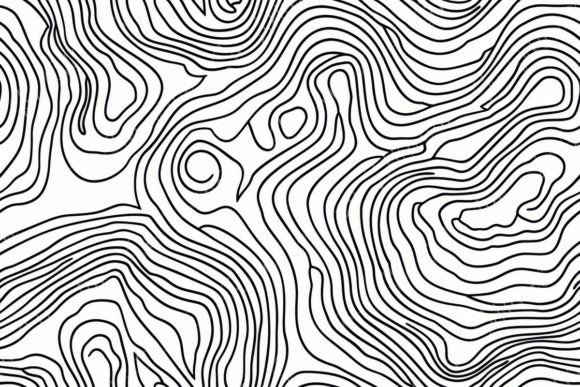
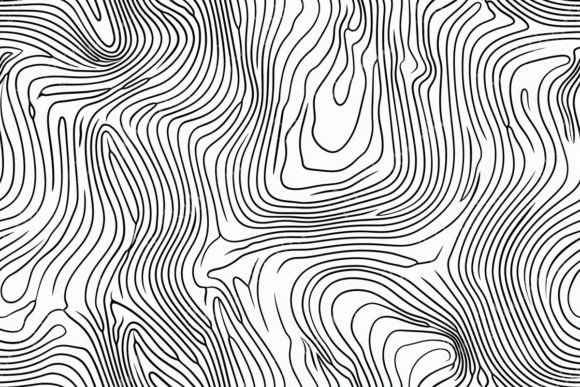
In the rapidly evolving landscape of digital and print media, the demand for high-quality visual assets has never been more critical. Among the myriad of design elements available to creators, the Abstract Line Art Seamless Pattern stands out as a versatile tool that bridges the gap between minimalism and complexity. This specific asset, characterized by monochrome wavy lines forming abstract patterns, creates a dynamic and fluid visual effect that can transform any project from mundane to memorable. Whether you are a graphic designer seeking texture for a website background or an educator looking to illustrate complex concepts visually, understanding the nuances of this asset is essential.
The Anatomy of Fluid Visual Dynamics
At its core, this design element relies on the interplay of negative space and line weight. The monochrome palette ensures that the pattern remains adaptable across various color schemes without clashing with primary content. The wavy lines are not random; they are engineered to form a seamless loop, allowing the image to tile infinitely without visible breaks. This characteristic is what defines a "seamless" pattern, making it indispensable for applications requiring continuous coverage.
The resolution and dimensions of the file play a pivotal role in its utility. With a size of 4500 x 3000 pixels, this asset offers substantial flexibility. It is large enough to serve as a high-resolution backdrop for desktop interfaces while being manageable for print projects when scaled down appropriately. The resolution of 300 dpi further cements its status as a professional-grade resource. In the world of printing, where clarity is paramount, a lower resolution often leads to pixelation or blurriness. By providing a 300 dpi standard, this Abstract Line Art Seamless Pattern ensures crisp edges and smooth curves, even when printed on large formats like banners, brochures, or fabric.
Practical Applications Across Industries
The utility of this asset extends far beyond simple decoration. Its fluid nature allows it to adapt to diverse sectors, each leveraging the pattern for unique functional and aesthetic purposes.
- Digital Web Design: For web developers and UI/UX designers, background noise is a common technique used to add depth to flat designs. Using a monochrome wave pattern provides a subtle texture that guides the eye without distracting from the primary call-to-action buttons or text. The JPEG format ensures fast loading times, which is crucial for maintaining high site performance scores.
- Print Media and Publishing: Editors and publishers utilize seamless patterns for magazine layouts, book covers, and editorial illustrations. The dynamic flow of the lines can mimic the movement of wind, water, or sound waves, adding a layer of metaphorical meaning to the content. Because the file is delivered as a zipped package containing a high-quality JPEG, it integrates seamlessly into professional software like Adobe InDesign or Illustrator.
- Product Packaging: Business owners in the consumer goods sector often seek packaging that looks premium yet understated. A monochrome abstract pattern can elevate a product's shelf presence. The lack of heavy colors allows the typography and product photography to take center stage while the background adds a sophisticated texture.
- Educational Materials: Educators and researchers frequently need to visualize data or concepts that involve flow, cycles, or connectivity. These wavy lines can serve as a background for infographics, presentations, or lecture slides, providing a professional look that engages students without overwhelming them with information.
The Technical Advantage of Immediate Digital Delivery
One of the most significant benefits of acquiring this asset through a digital marketplace is the immediacy of access. Unlike physical products that require shipping, handling, and potential delays, this download offers instant gratification. Once the purchase is completed, the user gains immediate access to a zipped file containing the high-resolution artwork. This workflow efficiency is particularly valuable for professionals working under tight deadlines who cannot afford to wait for physical samples or delayed email attachments.
The delivery in a zipped format also serves a practical purpose regarding file integrity. Zipping compresses the data, reducing the file size for faster transmission over the internet, while ensuring that the original 300 dpi quality remains intact upon extraction. Furthermore, the absence of a watermark is a critical feature for commercial use. Watermarks often detract from the professionalism of a final design and can be difficult to remove without leaving artifacts. Providing a clean, unwatermarked JPEG allows designers to integrate the pattern directly into their workflows without additional editing steps.
Color Perception and Print Considerations
While the digital experience of viewing this Abstract Line Art Seamless Pattern is straightforward, there are important considerations regarding color fidelity. The monochrome nature of the design simplifies the equation, but the perception of black and white can vary significantly depending on the medium. It is crucial to acknowledge that all gadget monitors display the same colors differently due to variations in calibration, brightness settings, and screen technology (such as OLED vs. LCD).
When transitioning from a screen to a physical print, the ink absorption of the paper plays a major role. A deep, rich black on a high-gloss magazine page may appear slightly different than the same black on matte cardstock or fabric. The guideline provided to users—that colors viewed on the screen will vary from the actual printed product—is not merely a disclaimer but a vital piece of advice for achieving accurate results. Professionals should always perform a test print before committing to a full production run. This practice ensures that the contrast levels and the fluidity of the lines translate correctly to the intended material.
Empowering Creators and Hobbyists
The accessibility of such high-quality resources democratizes design. Historically, only those with access to expensive stock libraries or professional illustration skills could create seamless patterns of this caliber. Today, hobbyists and independent creators can leverage these assets to produce work that rivals corporate standards. The ability to download a 4500 x 3000 pixel image instantly allows anyone to experiment with layout, composition, and branding.
For the DIY enthusiast, this pattern can be used in home decor projects, such as creating custom wallpaper, pillow covers, or scrapbooking backgrounds. The fluid lines offer a modern aesthetic that fits well with contemporary interior design trends. Similarly, small business owners can use the pattern to create cohesive brand identities, ensuring that their social media graphics, business cards, and invoices share a unified visual language.
Optimizing Workflow with High-Resolution Assets
Incorporating a high-resolution asset into a creative workflow requires an understanding of how to scale and manipulate the image effectively. Because the source file is a JPEG, it is raster-based, meaning it consists of a grid of pixels. While this format is excellent for photographic realism and complex textures, it is less ideal than vector formats for infinite scaling without loss of quality. However, given the 4500-pixel width, the margin for error is generous for most standard print and web applications.
Designers should be mindful of the file size when importing it into layout software. Large files can sometimes slow down rendering times if not optimized properly. Using the zipped file to extract the image only when needed can help manage system resources. Additionally, because the pattern is seamless, it can be repeated in software to cover large areas. This tiling capability is what makes the monochrome wavy lines so powerful; they create a sense of continuity that mimics natural phenomena, adding a dynamic quality to static pages.
The Future of Minimalist Design Trends
As design trends shift towards minimalism and sustainability, the role of abstract line art continues to grow. Consumers are increasingly drawn to designs that are clean, uncluttered, and meaningful. The Abstract Line Art Seamless Pattern aligns perfectly with this ethos. It uses the least amount of visual information to convey the most impact. The wavy lines suggest movement and life without the need for complex imagery or vibrant, potentially jarring colors.
This trend is evident in the tech industry, where software interfaces are moving away from skeuomorphism (mimicking real-world objects) towards flat, abstract aesthetics. In this context, a subtle pattern of wavy lines can provide the necessary texture to prevent a flat interface from feeling sterile. It adds a human touch to digital experiences, reminding users that technology, despite its precision, can also possess fluidity and grace.
Conclusion: A Strategic Asset for Diverse Needs
The decision to incorporate a high-quality Abstract Line Art Seamless Pattern into your projects is a strategic one. It offers a blend of technical excellence, aesthetic appeal, and practical utility. From the immediate availability of the digital download to the robust 300 dpi resolution suitable for professional printing, every aspect of this asset is designed to meet the needs of a broad audience. Whether you are a researcher illustrating a paper, a business owner launching a new product, or a hobbyist decorating a personal space, the dynamic and fluid visual effect provided by these monochrome wavy lines serves as a foundational element for success.
By understanding the nuances of screen versus print color representation and leveraging the power of seamless tiling, creators can maximize the potential of this resource. It is not just an image; it is a tool for expression, communication, and innovation. As the digital and physical worlds continue to converge, having access to versatile, high-fidelity assets becomes more important than ever. This pattern represents a bridge between the abstract and the tangible, offering endless possibilities for those willing to explore its potential.